

- 5798
- 394
- 12
- 11
- 0
- Help Ukraine
About the solution
“When Rie’s family faced the need to outfit the rapidly changing lives of four aging parents, she eagerly took on the task of finding the best-designed aids for daily living. She found she had ventured into a sea of grey; found nothing bearing even the minimum evidence of acceptable design acumen. As a mother of two small children, Rie had seen the proliferation of diversifying baby products and accessories: products that explored different brand identities, price points, and design principles. The abundance in baby gear juxtaposed against the dearth of well designed mobility aids for anyone past infancy felt especially stark”, it says on the official website.
Rie founded Omhu, a company that makes these special designs, in 2009.
“Omhu is Danish for “with great care.” Founded on the belief that life is imperfect and beautiful, we offer groundbreaking designs to support people’s abilities as they change throughout life.
We started Omhu after searching in vain for well-designed products for relatives and friends who needed help with simple tasks such as walking, bathing, or reaching overhead. Pooling our collective experience in design and fashion, we’ve created a brand for people like us —caregivers who want more inspired and inspiring choices for the people they love.
By creating more exciting choices of things that help, we hope we can also help change the way people feel about aging and ability”, the designer explained.
Omhu offers canes with designs for special and different occasions.
Adapted from: https://ideamensch.com/rie-norregaard/
More info: http://omhu.com/
What about you, do you have any solutions? Please share them with the Patient Innovation community!
https://vimeo.com/37382386
This solution shall not include mention to the use of drugs, chemicals or biologicals (including food); invasive devices; offensive, commercial or inherently dangerous content. This solution was not medically validated. Proceed with caution! If you have any doubts, please consult with a health professional.
DISCLAIMER: This story was written by someone who is not the author of the solution, therefore please be advised that, although it was written with the utmost respect for the innovation and the innovator, there can be some incorrect statements. If you find any errors please contact the patient Innovation team via info@patient-innovation.com
-
-
906
-
3
-
14124

How to keep shoe lace tied
CAREGIVING
WALKING: Walking
Arthritis
Rheumatoid Arthritis
Neuromuscular Disorders
Assistive Daily Life Device (to help ADL)
Body-Worn solutions (Clothing, accessories, shoes, sensors...)
Difficulty walking or moving
Muscle weakness
Muscle cramps or spasms
Difficulty coordinating movements
Stiffness or rigidity (difficulty moving)
Limited range of motion
Muscle pain or stiffness
Loss of muscle coordination
Swelling or inflammation
Difficulty standing from a seated position
Back pain
Joint pain or swelling
Caregiving Support
General and Family Medicine
Neurology
Orthopedics
Public Health
Rheumatology
Aging
Mobility issues
Caregiver Support
United States
-
-
-
703
-
0
-
7881
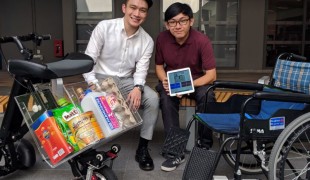
Student develops system to help detect pressure ulcers
(SELF)-CARE: HYGIENE: Maintaining personal hygiene
MOVING IN A WHEELCHAIR: Moving using a wheelchair.
CAREGIVING
Bone Disorders (Decalcification, Bone Deformity, Bone Fracture, Bone Infection)
Walking Aid (wheelchair/walker/crutches)
Assistive Daily Life Device (to help ADL)
App (Including when connected with wearable)
Videogame
Difficulty walking or moving
Muscle weakness
Limited range of motion
Muscle pain or stiffness
Muscle cramps or spasms
Difficulty bearing weight
Difficulty standing from a seated position
Frequent falls
Promoting self-management
Preventing (Vaccination, Protection, Falls, Research/Mapping)
Caregiving Support
Orthopedics
Rheumatology
Singapore
-
-
-
621
-
0
-
8963
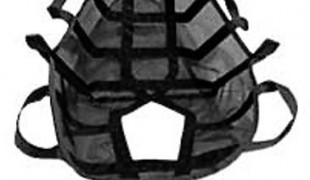
Mom creates Perfect Lift to help son with Duchenne
CAREGIVING
Duchenne Muscular Dystrophy
Assistive Daily Life Device (to help ADL)
Strategy/Tip
Difficulty walking or moving
Muscle weakness
Frequent falls
Managing Neurological Disorders
Promoting inclusivity and social integration
Preventing (Vaccination, Protection, Falls, Research/Mapping)
Raise awareness
Caregiving Support
Neurology
Orthopedics
Rheumatology
United States
-
 en
en