

- 3950
- 454
- 8
- 11
- 0
- Help Ukraine
About the solution
Sync Labs is an AI-based, home-monitoring system designed to help caregivers better understand the daily routines and needs of older adults living independently. The solution combines two small, non-wearable environmental sensors installed in key areas of the home, allowing everyday activities to be monitored in a private and non-intrusive way.
The project began in 2024 at the University of Pennsylvania (USA), when a group of engineering students explored how technology could reduce caregiver burden and support more personalised care for seniors. The development of Sync Labs was strongly influenced by the personal experience of one team member, Melanie Herbert, who spent much of her childhood as a long-term patient undergoing surgeries, chemotherapy and extended hospitalisations. Through this experience, she developed a close understanding of what it means to rely on caregivers and how challenging it can be for them to respond effectively when information about a person’s daily condition is incomplete or fragmented.
Drawing on this perspective, the team designed Sync Labs to collect meaningful information without using cameras, microphones or wearable devices. Using data from the two environmental sensors, the system can detect patterns such as eating, presence in different spaces, falls, and the frequency and duration of bathroom use. Rather than providing raw data, Sync Labs summarises changes in activity or behaviour into simple insights that caregivers can quickly review, helping them understand what has happened since their last visit and adapt care accordingly.
By reducing the time caregivers spend reconstructing daily events, the system allows them to focus more fully on providing the type of responsive, personalised support that many older adults need to remain independent in their own homes.
Sync Labs continued to develop throughout 2024 and early 2025, and the project received the 2025 President’s Innovation Prize at the University of Pennsylvania, highlighting its potential to make daily care more manageable for both seniors and caregivers. Pilot testing is currently taking place in Pennsylvania, as the team continues to refine the system based on real-world use and feedback.
Adapted from:
https://penntoday.upenn.edu/news/penn-students-develop-ai-driven-solutio...
This solution shall not include mention to the use of drugs, chemicals or biologicals (including food); invasive devices; offensive, commercial or inherently dangerous content. This solution was not medically validated. Proceed with caution! If you have any doubts, please consult with a health professional.
DISCLAIMER: This story was written by someone who is not the author of the solution, therefore please be advised that, although it was written with the utmost respect for the innovation and the innovator, there can be some incorrect statements. If you find any errors please contact the patient Innovation team via info@patient-innovation.com
-
-
623
-
0
-
6371

Collaborator Pierluigi Mantovani creates Evolution Devices - solutions that aim to transform Multiple Sclerosis Management
CAREGIVING
BODY BALANCE: Maintaining body balance
STANDING UP: Standing up from a seated position
WALKING: Walking
Multiple Sclerosis
Assistive Daily Life Device (to help ADL)
Walking Aid (wheelchair/walker/crutches)
App (Including when connected with wearable)
AI algorithm
Body-Worn solutions (Clothing, accessories, shoes, sensors...)
Restoring mobility
Regaining sensory function
Managing pain
Promoting self-management
Preserving Organ Function
Managing Neurological Disorders
Maintaining Balance and Mobility
To improve Treatment/Therapy
Preventing (Vaccination, Protection, Falls, Research/Mapping)
Raise awareness
Caregiving Support
General and Family Medicine
Internal Medicine
Medical Genetics
Neurology
Physical Medicine and Rehabilitation
United States
-
-
-
521
-
1
-
5147
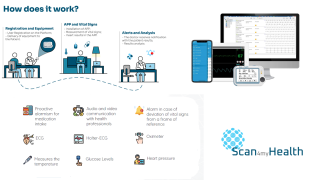
Scan4myHealth | Real-time solution for monitoring patient vital signs
CAREGIVING
COMMUNICATION: Communicating, whether by speaking, listening, or other means
Stroke
App (Including when connected with wearable)
AI algorithm
Assistive Daily Life Device (to help ADL)
Promoting self-management
To implement medical examination
Restoring heart health
Managing diabetes
Manage Medication
Rehabilitating After Stroke
Preventing (Vaccination, Protection, Falls, Research/Mapping)
Caregiving Support
Cardiology
General and Family Medicine
Internal Medicine
Physical Medicine and Rehabilitation
Pneumology
Portugal
-
-
-
387
-
0
-
3718
Caring for a grandmother inspires a privacy-preserving senior care solution
CAREGIVING
App (Including when connected with wearable)
AI algorithm
Online service
Assistive Daily Life Device (to help ADL)
Promoting self-management
Preventing (Vaccination, Protection, Falls, Research/Mapping)
Caregiving Support
General and Family Medicine
Mobility issues
Caregiver Support
Solutions for Disabled people
India
-
 en
en