

- 7343
- 693
- 27
- 29
- 0
- Help Ukraine
About the solution
Inventor John Dingley created a “simple device that allows anyone with co-ordination impairment, muscle weakness or hand tremor to turn the pages more easily on a Kindle e-reader”.
He started making him at the request of people who had difficulties using their Kindle e-reader because they had trouble using the small button on the side of the device that are meant to turn the pages.
So, John designed a 3D-printed device that fits into the Kindle and has 2 large flaps on each side that, when pressed, press the small buttons and make the pages turn. This makes it much more manageable for people with coordination problems, muscle weakness, hand tremors or other movement impairments.
The design can also be used on the Kindle version with a touch screen since, according to John, “I am getting feedback from people with MS for example that tapping the lever each side is still much easier than tapping the screen correctly every time.”
The complete set of instructions and materials do replicate this design can be found on the Instructables website, where John posted it under the username” XenonJohn”.
More information: https://www.instructables.com/Kindle-Page-Turner-3D-printed/
这些解决方案不应包括使用药物,化学品或生物制品(包括食品);创伤性设备;冒犯性的,商业或内在危险的内容。该解决方案未经医学验证。请谨慎进行!如果您有任何疑问,请咨询健康专家。
DISCLAIMER: This story was written by someone who is not the author of the solution, therefore please be advised that, although it was written with the utmost respect for the innovation and the innovator, there can be some incorrect statements. If you find any errors please contact the patient Innovation team via info@patient-innovation.com
-
-
550
-
0
-
7201
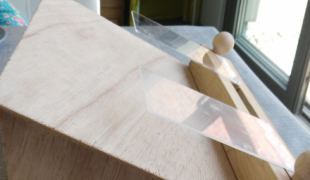
Girl creates device to help paralyzed grandmother read books
Reading
Assistive Daily Life Device (to help ADL)
Difficulty coordinating movements
Paralysis of the arm
Trouble with fine motor skills (e.g., writing, buttoning clothes)
Promoting self-management
Promoting inclusivity and social integration
Caregiving Support
Neurology
Orthopedics
Physical Medicine and Rehabilitation
Aging
Solutions for Disabled people
Belgium
-
-
-
965
-
0
-
15696
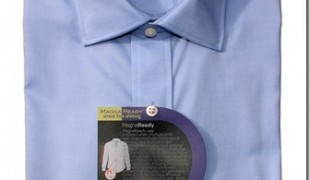
MagnaReady® - adaptative clothing for people who struggle with fine motor skills
Grip
CAREGIVING
Parkinson's Disease
Body-Worn solutions (Clothing, accessories, shoes, sensors...)
Assistive Daily Life Device (to help ADL)
Tremors
Stiffness or rigidity (difficulty moving)
Trouble with fine motor skills (e.g., writing, buttoning clothes)
Promoting self-management
Managing Neurological Disorders
Promoting inclusivity and social integration
Caregiving Support
Internal Medicine
Neurology
Physical Medicine and Rehabilitation
Rheumatology
United States
-
-
-
771
-
0
-
13606

Man invents stick to help him push the elevator buttons
MOVING IN A WHEELCHAIR: Moving using a wheelchair.
Urban exploration
Traveling
Paralysis
Spinal Cord and Nerve Root Disorders
Cervical spinal cord injury/Tetraplegia
Assistive Daily Life Device (to help ADL)
Tremors
Muscle cramps or spasms
Difficulty coordinating movements
Stiffness or rigidity (difficulty moving)
Paralysis of the legs and lower body
Muscle weakness
Loss of balance
Numbness or tingling in the extremities
Twitching or involuntary movements (myoclonus)
Fatigue
Restoring mobility
Promoting self-management
Managing Neurological Disorders
Promoting inclusivity and social integration
Maintaining Balance and Mobility
Internal Medicine
Neurology
Orthopedics
Physical Medicine and Rehabilitation
Rheumatology
Mobility issues
United States
-
 zh
zh