

- 13992
- 894
- 19
- 15
- 3
- Help Ukraine
About the solution
The device consists of plastic rectangular gadget with about an inch long that fits snuggly against the tongue of the shoe, keeping laces tight.
“I tried to come up with something interesting and hopefully I can make it work”, the mechanic recalled.
The first idea Gerald had was to use velcro and curly shoelaces, but his aunt told him there weren’t as many style options available with Velcro shoes and said the curly laces didn’t stay tight enough.
So the inventor tried another options. He created multiple designs before coming up with the final version, in 2012. The apparatus works by locking laces in place in each of four slots in the plastic.
“I don’t even know how many variations I tested,” he said. “It was a lot. The problem was the manufacturing. I could make it the way I wanted, but couldn’t reproduce it at a manufacturer.”
Trying to create the ties with a laser didn’t work because the process used up too much material. So, now they are stamped out. They can be used with any type of shoelace. Gerald explained anyone who wants to keep their shoes tied could benefit from them, including athletes and children.
The inventor got his product patented, and now a company in California makes the Grace Shoestring Ties for Hannon, and they are packaged in Omaha. He sells them online, but so far they are not available in any stores.
Adapted from: http://www.nptelegraph.com/news/all-tied-up-brady-man-invents-device-for...
https://www.facebook.com/Grace-Shoestring-Ties-581639385256608/timeline
What about you, do you have any solutions? Please share them with the Patient Innovation community!
https://www.youtube.com/watch?v=6qpv6QgPm5o
这些解决方案不应包括使用药物,化学品或生物制品(包括食品);创伤性设备;冒犯性的,商业或内在危险的内容。该解决方案未经医学验证。请谨慎进行!如果您有任何疑问,请咨询健康专家。
DISCLAIMER: This story was written by someone who is not the author of the solution, therefore please be advised that, although it was written with the utmost respect for the innovation and the innovator, there can be some incorrect statements. If you find any errors please contact the patient Innovation team via info@patient-innovation.com
-
-
747
-
0
-
8303
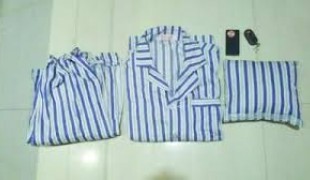
Boy develops special clothes for his paralyzed grandfather
(SELF)-CARE: DRESSING: Dressing independently.
CAREGIVING
Paralysis
Spinal Cord and Nerve Root Disorders
Cervical spinal cord injury/Tetraplegia
Body-Worn solutions (Clothing, accessories, shoes, sensors...)
Assistive Daily Life Device (to help ADL)
Difficulty coordinating movements
Stiffness or rigidity (difficulty moving)
Paralysis of the legs and lower body
Muscle weakness
Managing Neurological Disorders
Caregiving Support
General and Family Medicine
Neurology
Orthopedics
Rheumatology
China
-
-
-
630
-
3
-
8011

Transfer board
-
-
-
654
-
7
-
9015
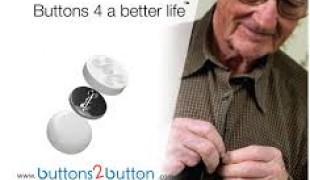
Woman creates magnetic buttons to help stepfather who has Parkinson's disease get dressed
(SELF)-CARE: DRESSING: Dressing independently.
Grip
CAREGIVING
Parkinson's Disease
Multiple Sclerosis
Bone Disorders (Decalcification, Bone Deformity, Bone Fracture, Bone Infection)
diabetes type 2
Assistive Daily Life Device (to help ADL)
Body-Worn solutions (Clothing, accessories, shoes, sensors...)
Muscle weakness
Tremors
Difficulty coordinating movements
Stiffness or rigidity (difficulty moving)
Limited range of motion
Muscle pain or stiffness
Loss of balance
Reduced grip force (grip)
Trouble with fine motor skills (e.g., writing, buttoning clothes)
Loss of muscle coordination
Muscle cramps or spasms
Joint deformity
Muscle twitching
Numbness or tingling in the extremities
Joint pain or swelling
Promoting self-management
Managing Neurological Disorders
Promoting inclusivity and social integration
Caregiving Support
Endocrinology
Neurology
Orthopedics
Rheumatology
United States
-
 zh
zh
nextmother • Tue, 01/10/2023 - 04:43
该团队发现,减少这种情况的一种方法是使用所谓的方结:像往常一样交叉鞋带并将它们一根一根地穿在另一根下面,然后通过相反方向交叉和穿鞋带形成蝴蝶结。