

- 10777
- 745
- 10
- 14
- 0
- Help Ukraine
Über die Lösung
Josh Smith erlitt vor einem Jahr eine Verletzung des Rückenmarks, die sein Leben verändert. Die Rückenmarksverletzung machte ihn mit begrenzten Gebrauch seiner Arme und Hände Tetraplegiker. Aufgaben, die äußerst schwierig und langsam für Menschen mit begrenzten oder keinen Nutzen sein können - der 24-Jährige mit einem Maschinenbau-Studium an der Virginia Tech hat ein Gerät entwickelt, das Menschen gibt mit Tetraplegie die Möglichkeit geben, den Einsatz Touchscreens und Druckknöpfen erfunden ihre Finger.
Bekannt als die sechste Stelle, ist das Gerät eine einstellbare kleinen Finger Ring mit einem leitenden Silikonspitze zu einem kleinen Stift befestigt ist. Weil es getragen und nicht gehalten wird, ist es viel einfacher zu transportieren und wird nur wie ein Finger. Es ist sogar möglich, dass der Träger einen manuellen Rollstuhl, ohne dass die Sechste Stelle wegen der klein und unauffällig Aufbaus des Geräts zu drücken.
Diese Lösung enthält keinen Hinweis weder auf die Verwendung von Arzneimitteln, Chemikalien oder biologische Stoffe (einschließlich Lebensmitteln) noch auf invasive Geräte, anstößige, kommerzielle oder inhärent gefährliche Inhalte. Diese Lösung wurde nicht medizinisch validiert. Vorsicht! Wenn Sie irgendwelche Zweifel haben, wenden Sie sich bitte an einen Arzt.
DISCLAIMER: This story was written by someone who is not the author of the solution, therefore please be advised that, although it was written with the utmost respect for the innovation and the innovator, there can be some incorrect statements. If you find any errors please contact the patient Innovation team via info@patient-innovation.com
-
-
1058
-
0
-
20623

Proloque2Go - App Menschen zu helfen, zu kommunizieren
CAREGIVING
COMMUNICATION: Communicating, whether by speaking, listening, or other means
Social interaction
Paralysis
Autism
Cerebral Palsy
Brain Stroke
Brain Injury (Abscess, Brain Barrier Defect, Brain Contusion, Brain Hemorrhage, Brain Edema)
Assistive Daily Life Device (to help ADL)
Assistive Technology access
App (Including when connected with wearable)
Tremors
Muscle cramps or spasms
Difficulty coordinating movements
Muscle weakness
Difficulty speaking or understanding speech
Trouble with fine motor skills (e.g., writing, buttoning clothes)
Twitching or involuntary movements (myoclonus)
Acquired language impairment (Aphasia)
Promoting self-management
Managing Neurological Disorders
Building Supportive Community Relationships
Promoting inclusivity and social integration
Improving Speech and Communication
Caregiving Support
Clinical Pathology
Medical Genetics
Neurology
Pediatrics
Rheumatology
Netherlands
-
-
-
661
-
7
-
9056
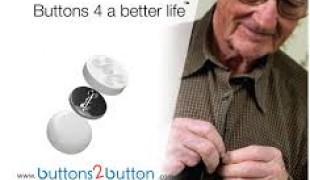
Frau stellt magnetische Knöpfe her, um Stiefvater zu helfen, der Parkinson-Krankheit hat
(SELF)-CARE: DRESSING: Dressing independently.
Grip
CAREGIVING
Parkinson's Disease
Multiple Sclerosis
Bone Disorders (Decalcification, Bone Deformity, Bone Fracture, Bone Infection)
diabetes type 2
Assistive Daily Life Device (to help ADL)
Body-Worn solutions (Clothing, accessories, shoes, sensors...)
Muscle weakness
Tremors
Difficulty coordinating movements
Stiffness or rigidity (difficulty moving)
Limited range of motion
Muscle pain or stiffness
Loss of balance
Reduced grip force (grip)
Trouble with fine motor skills (e.g., writing, buttoning clothes)
Loss of muscle coordination
Muscle cramps or spasms
Joint deformity
Muscle twitching
Numbness or tingling in the extremities
Joint pain or swelling
Promoting self-management
Managing Neurological Disorders
Promoting inclusivity and social integration
Caregiving Support
Endocrinology
Neurology
Orthopedics
Rheumatology
United States
-
-
-
845
-
0
-
17270
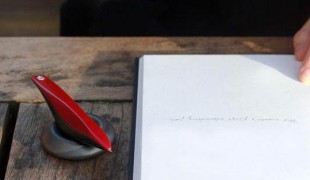
Arc Pen - ein Stift, der Patienten mit Parkinson Schreiben und Entspannung der Muskeln hilft
Writing (letters, songs, peoms)
COMMUNICATION: Communicating, whether by speaking, listening, or other means
Alzheimer's Disease
Assistive Daily Life Device (to help ADL)
AI algorithm
Tremors
Difficulty coordinating movements
Stiffness or rigidity (difficulty moving)
Muscle weakness
Loss of balance
Trouble with fine motor skills (e.g., writing, buttoning clothes)
Cognitive impairment
Numbness or tingling in the extremities
Twitching or involuntary movements (myoclonus)
Loss of sense of smell (anosmia)
Restoring mobility
Recovering cognitive function
Promoting self-management
Promoting inclusivity and social integration
Neurology
United Kingdom
-
 de
de