

- 10874
- 704
- 8
- 10
- 0
- Help Ukraine
About the solution
The helmet contains small, sensitive microphones, signal amplifiers, vibration components, and effects circuits. It adapts to any head shape. Dials to adjust the sound and volume are mounted on the side.
"I first became aware that experiencing sound through bone conduction was possible when I lost hearing in one ear due to a tumor (acoustic neuroma). One of the possible ways to "fix" monophonic hearing is to drill a screw into the skull and attach a receiver to it, such that sound waves are converted into vibrations in the skull. Having an open wound just behind a non-functioning ear was not an ideal solution, so I let my body adjust to having one ear. (...) One day as I sat down at the piano, I suddenly became aware that the entire instrument felt alive in my hands, each note traveling up my arms and giving a surprisingly rich experience of sound. I decided to adapt bone conduction technology into a helmet, in order to share my emerging haptic perception of sound without the necessity of surgery. Re-wired consists of a helmet that leaves the wearer free to roam their environment and experience a physical sensitivity to sound", Amelia explained.
Adapted from: http://www.ameliamarzec.com/rewired/
https://youtu.be/AaoNai1fCU8
This solution shall not include mention to the use of drugs, chemicals or biologicals (including food); invasive devices; offensive, commercial or inherently dangerous content. This solution was not medically validated. Proceed with caution! If you have any doubts, please consult with a health professional.
DISCLAIMER: This story was written by someone who is not the author of the solution, therefore please be advised that, although it was written with the utmost respect for the innovation and the innovator, there can be some incorrect statements. If you find any errors please contact the patient Innovation team via info@patient-innovation.com
-
-
812
-
0
-
11218
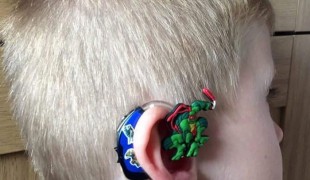
Mother develops custom designed hearing-aids for kids inspired by her son
COMMUNICATION: Communicating, whether by speaking, listening, or other means
CAREGIVING
Social interaction
Listening to music
Congenital Deafness
Assistive Daily Life Device (to help ADL)
Body-Worn solutions (Clothing, accessories, shoes, sensors...)
Hearing loss or ringing in the ears (tinnitus)
Preserving Organ Function
Promoting inclusivity and social integration
Raise awareness
General and Family Medicine
Medical Genetics
Otorhinolaryngology
Pediatrics
United Kingdom
-
-
-
596
-
0
-
6070

Collaborator Pierluigi Mantovani creates Evolution Devices - solutions that aim to transform Multiple Sclerosis Management
CAREGIVING
BODY BALANCE: Maintaining body balance
STANDING UP: Standing up from a seated position
WALKING: Walking
Multiple Sclerosis
Assistive Daily Life Device (to help ADL)
Walking Aid (wheelchair/walker/crutches)
App (Including when connected with wearable)
AI algorithm
Body-Worn solutions (Clothing, accessories, shoes, sensors...)
Restoring mobility
Regaining sensory function
Managing pain
Promoting self-management
Preserving Organ Function
Managing Neurological Disorders
Maintaining Balance and Mobility
To improve Treatment/Therapy
Preventing (Vaccination, Protection, Falls, Research/Mapping)
Raise awareness
Caregiving Support
General and Family Medicine
Internal Medicine
Medical Genetics
Neurology
Physical Medicine and Rehabilitation
United States
-
-
-
678
-
0
-
9501
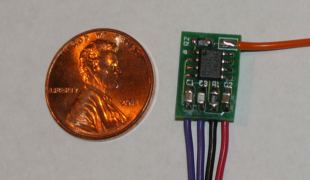
Father creates proximity touch switch for his son
CAREGIVING
Playing
Video gaming
Spinal Cord and Nerve Root Disorders
Body-Worn solutions (Clothing, accessories, shoes, sensors...)
Promoting self-management
Managing Neurological Disorders
To improve Treatment/Therapy
Preventing (Vaccination, Protection, Falls, Research/Mapping)
Caregiving Support
General and Family Medicine
Neurology
Orthopedics
Rheumatology
United States
-
 en
en