

- 3731
- 351
- 16
- 15
- 0
- Help Ukraine
About the solution
Parker wanted a way to make physical therapy more enjoyable so that he and other suffering from this and other conditions would have an easier life. So he came up with a virtual reality physical therapy.
"Pairing it with therapy is making it a lot… Making therapy a lot more enjoyable if you will. Getting you to want to like move around to go and look at stuff uh… Grab stuff. Get a better view of what you're trying to see. Show a better way to like give therapy... Like that and just getting the word out about like thinking of different ways like you can help with… If you're a therapist, different ways you can go about giving therapy to people with muscular dystrophy and if you yourself have muscular dystrophy”, the boy explained.
This solution was developed within the scope of Education Accelerated by Service Technology, a tech program from his school that encourages students to invent solutions for real-life problems. Parker had the help of some colleagues.
"The amount of movement that you see him do in VR the difference you can see... It's amazing. I just hope that in the long run that this can become more than just a project in school. I really hope it can help a lot of people”, said Zachary Caputo, Parker's teammate.
Adapted from: https://www.youtube.com/watch?v=ZIfa8tsEFW0
This solution shall not include mention to the use of drugs, chemicals or biologicals (including food); invasive devices; offensive, commercial or inherently dangerous content. This solution was not medically validated. Proceed with caution! If you have any doubts, please consult with a health professional.
DISCLAIMER: This story was written by someone who is not the author of the solution, therefore please be advised that, although it was written with the utmost respect for the innovation and the innovator, there can be some incorrect statements. If you find any errors please contact the patient Innovation team via info@patient-innovation.com
-
-
502
-
0
-
4310
Collaborator James Leckey makes equipment to improve the quality of life and social inclusion of children with special needs
MOVING IN A WHEELCHAIR: Moving using a wheelchair.
BODY BALANCE: Maintaining body balance
STANDING UP: Standing up from a seated position
Playing
Neuromuscular Disorders
Assistive Daily Life Device (to help ADL)
Walking Aid (wheelchair/walker/crutches)
Assistive Technology access
5 Senses support devices: (glasses, hearing aids, headphones...)
Restoring mobility
Promoting self-management
Managing Neurological Disorders
Promoting inclusivity and social integration
Maintaining Balance and Mobility
Raise awareness
General and Family Medicine
Neurology
Orthopedics
Pediatrics
Physical Medicine and Rehabilitation
United States
-
-
-
650
-
1
-
8227
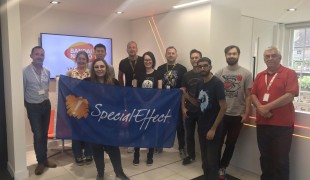
Man creates gamers charity inspired by his disabled students
Video gaming
Educational/Leisure device (book, toy, game...)
Assistive Technology access
Videogame
Replacing lost limbs
Promoting self-management
Managing Neurological Disorders
Building Supportive Community Relationships
Promoting inclusivity and social integration
Caregiving Support
Medical Genetics
Orthopedics
Pediatrics
Rheumatology
Mobility issues
Solutions for Disabled people
United Kingdom
-
-
-
644
-
0
-
8920
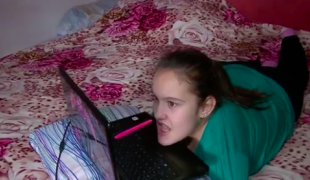
Glasses to serve as mouse for disabled people
CAREGIVING
Playing
Video gaming
Studying
Bone Disorders (Decalcification, Bone Deformity, Bone Fracture, Bone Infection)
Assistive Technology access
Body-Worn solutions (Clothing, accessories, shoes, sensors...)
Educational/Leisure device (book, toy, game...)
Difficulty walking or moving
Muscle weakness
Limited range of motion
Muscle pain or stiffness
Reduced grip force (grip)
Loss of muscle coordination
Muscle cramps or spasms
Joint deformity
Joint redness or warmth
Difficulty bearing weight
Muscle twitching
Numbness or tingling in the extremities
Joint pain or swelling
Promoting self-management
Preserving Organ Function
Managing Neurological Disorders
Promoting inclusivity and social integration
Medical Genetics
Neurology
Orthopedics
Rheumatology
Mobility issues
Solutions for Disabled people
Brazil
-
 en
en