

- 4400
- 436
- 9
- 9
- 0
- Help Ukraine
Sobre a solução
Abe Harris nasceu sem braços. Ele começou a sentir que as suas próteses eram mais uma imposição do que uma solução. Então, quando tinha 16 anos, aprendeu a conduzir sem elas.
Em 2011, a sua filha estava a começar a andar de bicicleta e Abe queria juntar-se a ela. “Quando ela ficou mais rápida, eu precisava de arranjar forma de a acompanhar”, confessou. Mas Abe não podia andar de bicicleta por causa do voltante tradicional.
Quando ele conheceu Ray Riley, um engenheiro aposentado que trabalha como voluntário na instituição de caridade May We Help (uma organização que desenvolve dispositivos para aumentar o nível de autonomia de pessoas com deficiência), arranjou uma solução.
Com a ajuda de Abe, Ray conseguiu modificar uma bicicleta de duas velocidades estendendo o voltante e alterando os travões de montanha. Desta forma, poderia ser controlado com a perna e o tronco do corpo de uma pessoa.
"Isso é incrível. Ray ouviu as minhas necessidades e foi muito útil. Ray deu-me um produto confiável que poderei usar para o resto da minha vida”, disse Abe.
Adaptado de: https://bit.ly/2Z7hCwQ
Mais informações: https://bit.ly/2I0g6Hm
Esta solução não deverá mencionar o uso de drogas, químicas ou biológicas (incluíndo alimentos); dispositivos invasivos; conteúdo ofensivo, comercial ou inerentemente perigoso. Esta solução não foi validada medicamente. Prosseguir com atenção! Em caso de dúvidas, por favor consulte um profissional de saúde.
Isenção de responsabilidade: Esta solução foi escrita por alguém que não é o autor da solução, portanto, pedimos esteja ciente de que, embora tenha sido escrita com o maior respeito pela inovação e pelo inovador, pode haver algumas declarações incorretas. Se encontrar algum erro, entre em contacto com a equipa do Patient Innovation via info@patient-innovation.com
-
-
720
-
0
-
10821
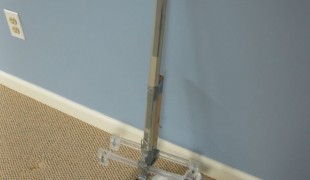
Homem cria dispositivo para ajudar a colocar meias, sapatos e até calças
Grip
(SELF)-CARE: DRESSING: Dressing independently.
BODY BALANCE: Maintaining body balance
STANDING UP: Standing up from a seated position
Knee Deformity
Assistive Daily Life Device (to help ADL)
Strategy/Tip
Muscle weakness
Limited range of motion
Muscle pain or stiffness
Reduced grip force (grip)
Loss of muscle coordination
Muscle cramps or spasms
Joint deformity
Joint redness or warmth
Swelling or inflammation
Difficulty bearing weight
Muscle twitching
Difficulty standing from a seated position
Difficulty getting up from the floor
Numbness or tingling in the extremities
Joint pain or swelling
Restoring mobility
Promoting self-management
Preserving Organ Function
Rehabilitating After Stroke
Managing Neurological Disorders
Recovering from Traumatic Injuries
Maintaining Balance and Mobility
Preventing (Vaccination, Protection, Falls, Research/Mapping)
Caregiving Support
Internal Medicine
Neurology
Orthopedics
Physical Medicine and Rehabilitation
Rheumatology
Sports Medicine
Vascular Surgery
United States
-
-
-
543
-
0
-
6090
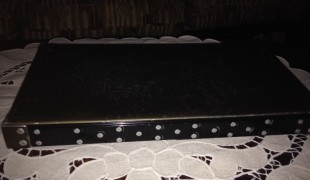
Degrau articulado e móvel
MOVING IN A WHEELCHAIR: Moving using a wheelchair.
Traveling
Urban exploration
Paralysis
Assistive Daily Life Device (to help ADL)
Walking Aid (wheelchair/walker/crutches)
Restoring mobility
Promoting self-management
Managing Neurological Disorders
Building Supportive Community Relationships
Promoting inclusivity and social integration
Recovering from Traumatic Injuries
Maintaining Balance and Mobility
To improve Treatment/Therapy
Raise awareness
Caregiving Support
Neurology
Orthopedics
Rheumatology
Portugal
-
-
-
668
-
7
-
9145
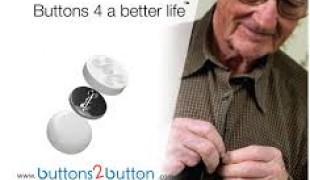
Mulher cria butões magnéticos para ajudar padastro com a doença de Parkinson a vestir-se
(SELF)-CARE: DRESSING: Dressing independently.
Grip
CAREGIVING
Parkinson's Disease
Multiple Sclerosis
Bone Disorders (Decalcification, Bone Deformity, Bone Fracture, Bone Infection)
diabetes type 2
Assistive Daily Life Device (to help ADL)
Body-Worn solutions (Clothing, accessories, shoes, sensors...)
Muscle weakness
Tremors
Difficulty coordinating movements
Stiffness or rigidity (difficulty moving)
Limited range of motion
Muscle pain or stiffness
Loss of balance
Reduced grip force (grip)
Trouble with fine motor skills (e.g., writing, buttoning clothes)
Loss of muscle coordination
Muscle cramps or spasms
Joint deformity
Muscle twitching
Numbness or tingling in the extremities
Joint pain or swelling
Promoting self-management
Managing Neurological Disorders
Promoting inclusivity and social integration
Caregiving Support
Endocrinology
Neurology
Orthopedics
Rheumatology
United States
-
 pt
pt