

- 9127
- 672
- 11
- 5
- 0
- Help Ukraine
About the solution
Caroline’s Cart is a shopping cart created for special needs children. It provides parents and caregivers a viable option to transport a child through a store while grocery shopping, without having the impossible task of having to maneuver a wheelchair and a traditional grocery cart at the same time. It is named after Caroline, the special needs daughter of Drew Ann and David Long.
This solution shall not include mention to the use of drugs, chemicals or biologicals (including food); invasive devices; offensive, commercial or inherently dangerous content. This solution was not medically validated. Proceed with caution! If you have any doubts, please consult with a health professional.
DISCLAIMER: This story was written by someone who is not the author of the solution, therefore please be advised that, although it was written with the utmost respect for the innovation and the innovator, there can be some incorrect statements. If you find any errors please contact the patient Innovation team via info@patient-innovation.com
-
-
500
-
0
-
4297
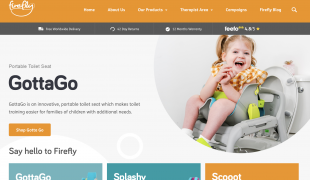
Collaborator James Leckey makes equipment to improve the quality of life and social inclusion of children with special needs
MOVING IN A WHEELCHAIR: Moving using a wheelchair.
BODY BALANCE: Maintaining body balance
STANDING UP: Standing up from a seated position
Playing
Neuromuscular Disorders
Assistive Daily Life Device (to help ADL)
Walking Aid (wheelchair/walker/crutches)
Assistive Technology access
5 Senses support devices: (glasses, hearing aids, headphones...)
Restoring mobility
Promoting self-management
Managing Neurological Disorders
Promoting inclusivity and social integration
Maintaining Balance and Mobility
Raise awareness
General and Family Medicine
Neurology
Orthopedics
Pediatrics
Physical Medicine and Rehabilitation
United States
-
-
-
753
-
0
-
10644

Eye controlled communication devices
COMMUNICATION: Communicating, whether by speaking, listening, or other means
CAREGIVING
Cerebral Palsy
Assistive Daily Life Device (to help ADL)
Assistive Technology access
Recovering cognitive function
Promoting self-management
Managing Neurological Disorders
Promoting inclusivity and social integration
Improving Speech and Communication
Neurology
Ophthalmology
Pediatrics
United States
-
-
-
796
-
0
-
9710
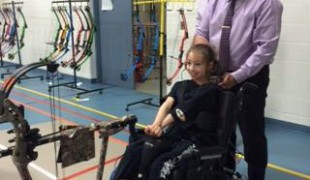
Father creates gadgets adapted for people with cerebral palsy
MOVING IN A WHEELCHAIR: Moving using a wheelchair.
Playing
Gardening
Social interaction
Cerebral Palsy
Educational/Leisure device (book, toy, game...)
Assistive Daily Life Device (to help ADL)
Muscle cramps or spasms
Difficulty coordinating movements
Trouble with fine motor skills (e.g., writing, buttoning clothes)
Twitching or involuntary movements (myoclonus)
Fatigue
Restoring mobility
Promoting self-management
Managing Neurological Disorders
Promoting inclusivity and social integration
Caregiving Support
Neurology
Pediatrics
Physical Medicine and Rehabilitation
Canada
-
 en
en