

- 10476
- 712
- 14
- 16
- 0
- Help Ukraine
Über die Lösung
Die Squatty Potty Geschichte beginnt im Haus Garage von Bill und Judy Edwards im sonnigen St. George. Judy wurde mit gesundheitlichen Komplikationen zu kämpfen, einschließlich schwerer Doppelpunkt Fragen. Um sie in Gang zur Toilette zu unterstützen, empfehlen Ärzte, dass Judy erheben beim Sitzen die Füße "auf dem John." Mit Hilfe der Bill und ihr Sohn Bobby, Judy begann das Sammeln Boxen und Hockern und Kanistern zu dienen als Plattformen, um ihre Füße ruhen während die Beseitigung. Sofort begann sie zu bemerken Vorteile, aber sie wusste nicht, wie mit dem Durcheinander von Kisten und Dosen in ihrem Badezimmer. Auch nicht Bill. Das ist, wenn Bobby kam auf die Idee, eine ausgestattete Plattform, die diskret unter der Toilette zu speichern würde. Als er aufbrach, um die perfekte Toilettenbecken für seine Mutter zu erstellen, der Prozess erwies sich als schwieriger als erwartet. Sie hatten, um die perfekte Höhe und Position, die in maximale Entlastung für Judy führen würde zu finden. Und Squatty Potty war geboren.
Diese Lösung enthält keinen Hinweis weder auf die Verwendung von Arzneimitteln, Chemikalien oder biologische Stoffe (einschließlich Lebensmitteln) noch auf invasive Geräte, anstößige, kommerzielle oder inhärent gefährliche Inhalte. Diese Lösung wurde nicht medizinisch validiert. Vorsicht! Wenn Sie irgendwelche Zweifel haben, wenden Sie sich bitte an einen Arzt.
DISCLAIMER: This story was written by someone who is not the author of the solution, therefore please be advised that, although it was written with the utmost respect for the innovation and the innovator, there can be some incorrect statements. If you find any errors please contact the patient Innovation team via info@patient-innovation.com
-
-
420
-
0
-
5467

Das Bedürfnis einer Schwester, eine globale Lösung – die persönliche Geschichte hinter Coloplast
(SELF)-CARE: USING THE TOILET: Using the toilet independently
(SELF)-CONTROL: BOWEL CONTINENCE: Maintaining bowel continence
Social interaction
Colorectal Cancer
Assistive Daily Life Device (to help ADL)
Body-Worn solutions (Clothing, accessories, shoes, sensors...)
Change in bowel habits
Post-surgery recovery
Frequent infections
Incontinence (loss of bladder control)
Urine leakage with coughing or sneezing (stress incontinence)
Promoting self-management
Enhancing digestive function
Promoting inclusivity and social integration
Gastroenterology
Denmark
-
-
-
548
-
0
-
4736
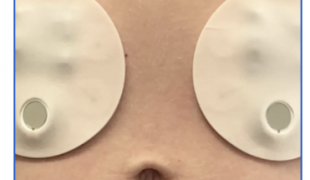
Pfleger Steve Axelrod erstellt ein EKG für den Darm – ein pflasterbasiertes System, das Signale aus dem Verdauungstrakt lesen soll.
(SELF)-CARE: HYGIENE: Maintaining personal hygiene
(SELF)-CARE: USING THE TOILET: Using the toilet independently
(SELF)-CONTROL: BOWEL CONTINENCE: Maintaining bowel continence
CAREGIVING
Chron's Disease
Inflammatory Bowel Disease
Assistive Daily Life Device (to help ADL)
Change in bowel habits
Bloating
Constipation or diarrhea
Promoting self-management
Enhancing digestive function
Preserving Organ Function
Restoring Skin Health
Alleviating Allergies
To improve Treatment/Therapy
Preventing (Vaccination, Protection, Falls, Research/Mapping)
Raise awareness
Caregiving Support
Gastroenterology
General and Family Medicine
General Surgery
Pediatrics
United States
-
-
-
694
-
0
-
10716

Tragbarer Sensor an Gluten in Lebensmitteln erkennen
(SELF)-CARE: EATING: Eating independently.
(SELF)-CARE: DRINKING: Drinking independently.
SWALLOWING: Swalling food and liquids
Celiac disease
Assistive Daily Life Device (to help ADL)
Assistive Technology access
Strategy/Tip
Abdominal pain
Nauseas
Weight loss
Indigestion (dyspepsia)
Change in bowel habits
Vomiting (Regurgitation)
Diarrhea
Heartburn
Bloating
Enhancing digestive function
To implement a diagnostic tool
Raise awareness
Gastroenterology
General and Family Medicine
Immuno-allergology
Medical Genetics
United States
-
 de
de